Find Micro-Influencers on TikTok: Proven Budget Strategy for 2025
How can you find micro-influencers on TikTok when your budget barely covers paid ads, let alone influencer deals? Is influencer marketing only for mega-brands and viral creators with millions of followers? Or is there a smarter, budget-friendly way to tap into TikTok’s creator economy even as a small or local business?
More and more marketers over 35 — especially small business owners — are turning their attention to micro-influencers. Why? Because these creators drive engagement, trust, and conversions without requiring massive payments. You don’t need a six-figure campaign to see results. In fact, some of the most authentic partnerships happen with creators who have 10K–50K followers.
Take a moment to consider this: would you rather work with someone whose audience is highly targeted and local, or someone with 1M followers who doesn’t care about your niche? The smart money goes with authenticity — and that’s exactly what micro-influencers offer. If you’re not sure where to begin, this step-by-step guide on getting brand deals with smaller influencers can give you a solid head start.
Let’s dive into how to find the right partners and make every dollar count.

What Makes Micro-Influencers Powerful on TikTok
1.Micro vs Macro: What’s the Difference?
A macro-influencer typically has over 100K followers and often works with major brands
A micro-influencer usually falls between 10K and 50K followers and tends to have a niche, loyal audience
While macro-influencers offer scale, micro-influencers provide trust, relatability, and authenticity
2.The Engagement Advantage of Smaller Creators
Studies consistently show that micro-influencers have higher engagement rates than macro creators. Their followers interact more, trust their recommendations, and see them as peers rather than celebrities. This makes their promotional content feel more like a suggestion from a friend than a sales pitch
How to Find Micro-Influencers on TikTok
1.Use Search, Hashtags, and TikTok Creator Marketplace
Start with TikTok’s own search tool
Type in keywords relevant to your niche or industry
Explore hashtags like:
TikTokSmallBusiness.
ProductReview.
TikTokMadeMeBuyIt.
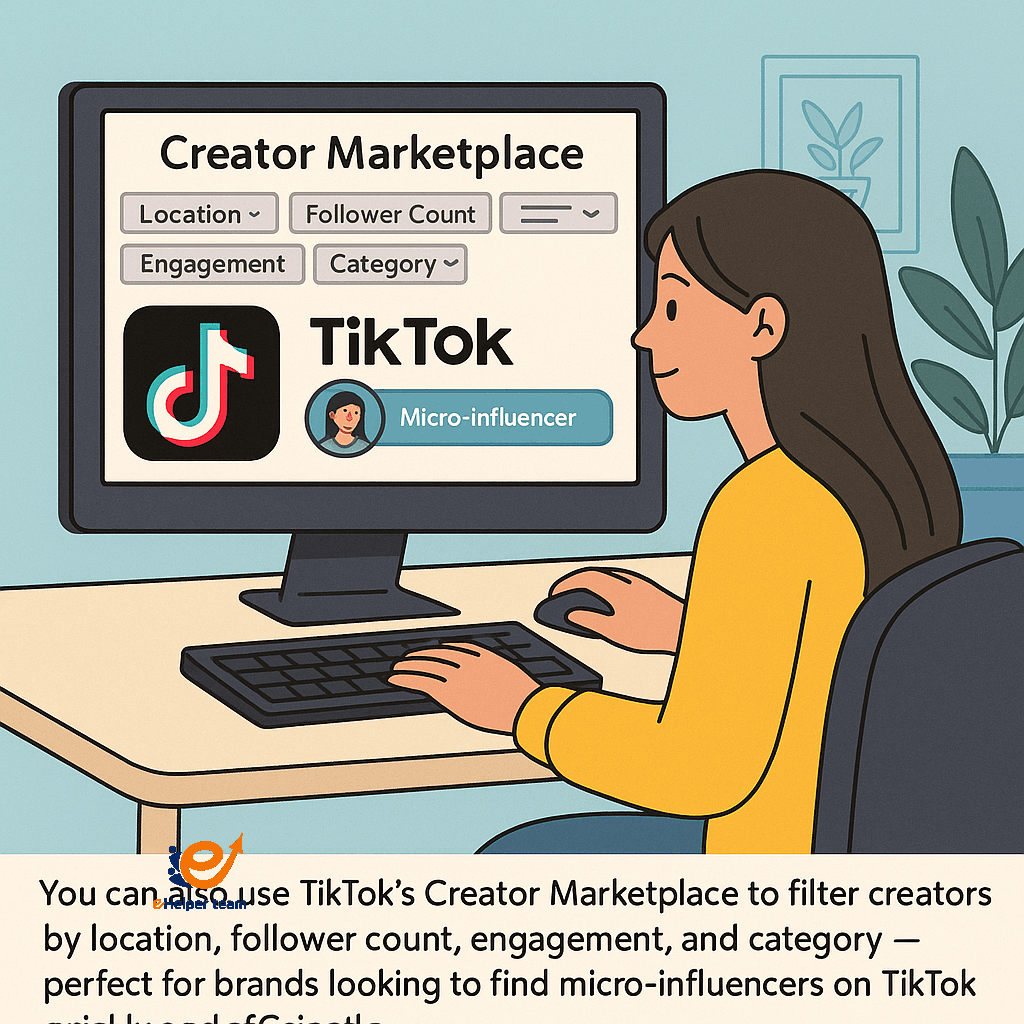
You can also use TikTok’s Creator Marketplace to filter creators by location, follower count, engagement, and category — perfect for brands looking to find micro-influencers on TikTok quickly and efficiently
2.Evaluate Content Fit and Authenticity
Look for creators who:
Post consistently within a niche
Use storytelling rather than sales-y tones
Show real engagement (comments, not just likes)
Be cautious of influencers with viral videos but little consistency. You want sustained, organic attention — not one-hit wonders
3.Spotting Organic Engagement vs Paid Views
A high view count means little without interaction. Always check:
Ratio of likes to views
Comment section — Are followers asking questions? Tagging friends?
Is the engagement genuine or generic?
If in doubt, check their follower growth history using free social analytics tools or creator transparency features
Crafting an Effective Influencer Outreach Template
What to Include in Your First Message
Your message should include:
Who you are
What your brand does
Why you chose them specifically
What kind of collaboration you’re proposing
What they’ll receive in return (gift, pay, exposure)
Keep it short, professional, and clear
Personalization Techniques that Work
Avoid generic templates like “Hey, we love your content!” Instead:
Mention a specific video they posted
Reference a recent comment or story
Tie your message to their unique voice
This approach increases your reply rate and sets a positive tone from the start
How Much to Pay Micro-Influencers (Even on a Budget)
Rate Ranges Based on Follower Count
Here’s a rough estimate for sponsored posts:
5K–10K followers: $50–$150
10K–50K followers: $150–$500
50K–100K followers: $500–$1,000+
These numbers vary by niche, engagement, and location — always negotiate based on value, not just numbers
Other Forms of Value: Gifting, Exposure, Collab
Can’t afford cash payment? Try:
Sending free product
Offering affiliate links with commission
Featuring them on your website or newsletters
For many micro-creators, visibility and creative collaboration matter as much as payment
Here’s where creators who qualify for programs like the TikTok Creativity Program may be open to alternative monetization deals
Tracking Campaign Success Like a Pro
1.Setting Metrics That Actually Matter
Track these metrics for every campaign:
Engagement Rate (likes + comments ÷ views)
Click-through Rate (for links or codes)
Use of promo codes or affiliate sales
Increase in followers or brand mentions
2.Using TikTok Creator Tools and Insights
Use TikTok’s built-in Creator Tools and third-party platforms like HypeAuditor or Modash to track:
Daily engagement
Viewer retention
ROI on collaboration
Check out the 7-second video formula to improve content performance with influencers
Building Long-Term Relationships for Brand Growth
1.Turning One-Off Collabs into Long-Term Partnerships
Instead of a single promo, consider:
Monthly content plans
Co-branded giveaways
Feature collaborations
This builds trust and brand consistency over time
2.Maintaining Trust and Creative Freedom
Don’t micromanage
Provide guidelines but leave space for influencers to speak in their voice
This results in more authentic and effective content
Real Case Study: Small Brand, Big Growth via TikTok Collab
A handmade candle brand partnered with a micro-influencer who had 18K followers
Instead of a paid campaign, they exchanged product and ran a dual giveaway
The result?
Over 4,000 entries
1,200 new followers in 3 days
$900 in new orders within a week
They’ve since launched a monthly collab series, doubling engagement rates each time
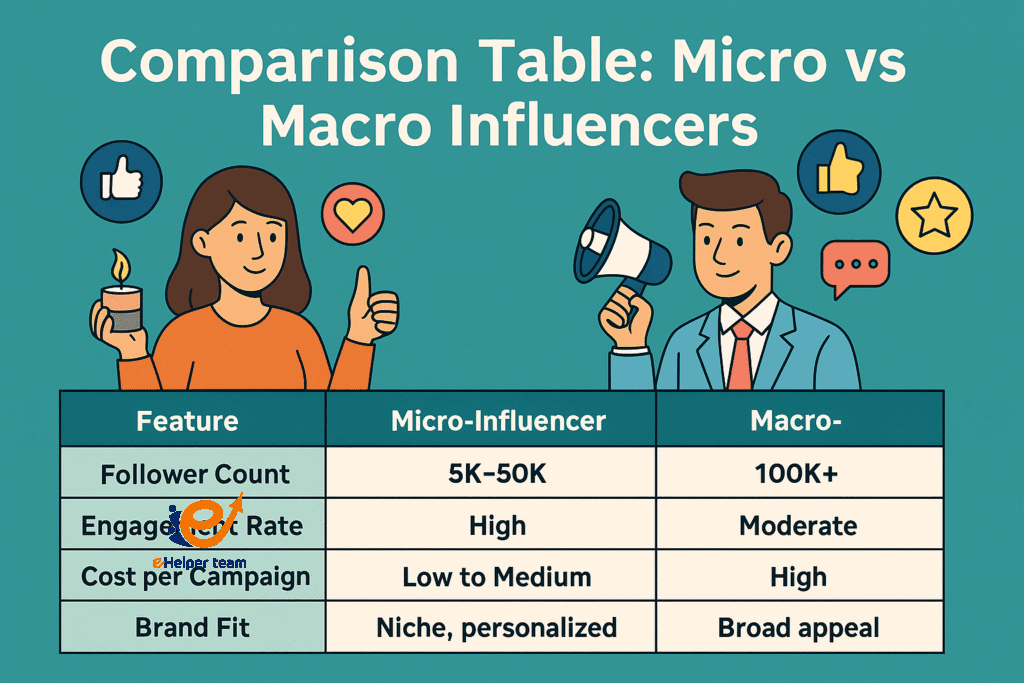
Comparison Table: Micro vs Macro Influencers
| Feature | Micro-Influencer | Macro-Influencer |
|---|---|---|
| Follower Count | 5K–50K | 100K+ |
| Engagement Rate | High | Moderate |
| Cost per Campaign | Low to Medium | High |
| Brand Fit | Niche, personalized | Broad appeal |
| Content Style | Natural, relatable | Polished, brand-driven |
Using “Audience Alignment” as a Filter — Not Just Follower Count
An underrated tactic is looking at audience overlap rather than just niche match. A beauty product brand, for instance, might succeed better by partnering with a wellness creator whose followers also engage with skincare content. This is where tools like TikTok’s audience insights, Modash, or even basic comment analysis can help.
After you find micro-influencers on TikTok, examine their top commenters, saved video trends, and tagged brands. Look for signs that their followers:
Ask product-related questions
Seek advice
Share experiences
This shows purchasing intent — not just passive viewing.
Creating Tiered Outreach Templates to Streamline Negotiations
Instead of a single influencer outreach template, create three tiered versions based on follower size or engagement:
Nano (<10K) – Focus on gifted collabs, mutual growth, and affiliate links
Micro (10K–50K) – Mix of fixed fee + product + repost opportunities
Mid-level (50K–100K) – Emphasize value proposition, past success stories, and UGC licensing
Each version can be personalized while staying efficient, saving time during campaigns with multiple influencers.
Leverage Micro-Creators for Feedback Loops and Product Development
One often-overlooked benefit of influencer collaboration is receiving raw product feedback. Micro-influencers tend to be highly opinionated and candid — which makes them ideal beta testers.
After you find micro-influencers on TikTok, consider offering them early access to unreleased products or features. Ask for feedback privately, and reward them with exclusive discount codes or even co-branded campaigns.
This not only strengthens building long-term relationships but also positions the influencer as a product advocate from the start.
How to Measure Dark Metrics When Tracking Campaign Success
Most brands track direct metrics like CTR or affiliate sales. But when tracking campaign success, also consider “dark metrics” like:
Save rate (indicates strong value or inspiration)
Share rate (signals virality potential)
Average watch duration (measures content quality)
If you’re using TikTok’s built-in Creator Analytics or third-party dashboards, integrate UTM tracking on links and monitor these hidden signals that influence future campaign direction.
Pro Tip: Gamify the Partnership
To deepen collaboration and motivate performance:
Run leaderboard competitions between 3–5 micro-influencers
Offer tiered commission bonuses for top performers
Create exclusive Instagram or Discord groups for them
This creates a sense of community, loyalty, and long-term collaboration — which leads to better content consistency and higher retention over time.
FAQs
Q1: What’s the best way to find micro-influencers on TikTok for my niche?
Use niche hashtags, TikTok search, and the Creator Marketplace. Evaluate their content tone, engagement, and audience fit.
Q2: How much should I pay for a small campaign?
Anywhere from $50 to $500 depending on the creator’s size and scope. But bartering and gifting are valid strategies for small brands.
Q3: How do I know if the influencer’s followers are real?
Check for organic comments, consistent video views, and audience interaction. You can also verify using transparency tools or social audit platforms.
Q4: Can I measure ROI if I’m not using paid ads?
Yes — use promo codes, track social traffic, and compare sales before and after the campaign.
Q5: What if the collaboration doesn’t perform well?
Don’t judge on one campaign. Test different creators, content styles, and formats. Use learnings to improve your next round.
Final Thoughts: Start Small, Scale Smart
Influencer marketing doesn’t need to cost a fortune. In fact, the smartest brands are the ones that learn how to find micro-influencers on TikTok and build partnerships that feel personal, not transactional
Start with one campaign.
Measure performance.
Then reinvest — smarter, not necessarily bigger.
For more on virality, check this guide to going viral on TikTok before your next pitch.


